




Which toothbrush should I choose? This is one of the most frequent questions we are asked. There are so many choices of toothbrushes out on the market. So, how do you know which one to pick? Brands such as Crest, Colgate, Aim, Arm & Hammer, are just to name a few. There are three types of brushes to choose from. The options are hard, medium, or soft. Hard bristles are made for large teeth and sturdy gums. People who seem to accumulates plaque and tarter faster than other people, tend to use the hard bristled brushes. The firmness works good cleaning the area a little more aggressively than medium or soft bristles. But watch out! Do not brush too hard and end up causing enamel wear or gum recession. A medium bristled brush works good for all ages as long as the teeth are in good condition. The bristles are flexible but still do a thorough job of removing plaque. A soft bristled brush is good for people with sensitivity, children, and people with braces or other dental appliances.
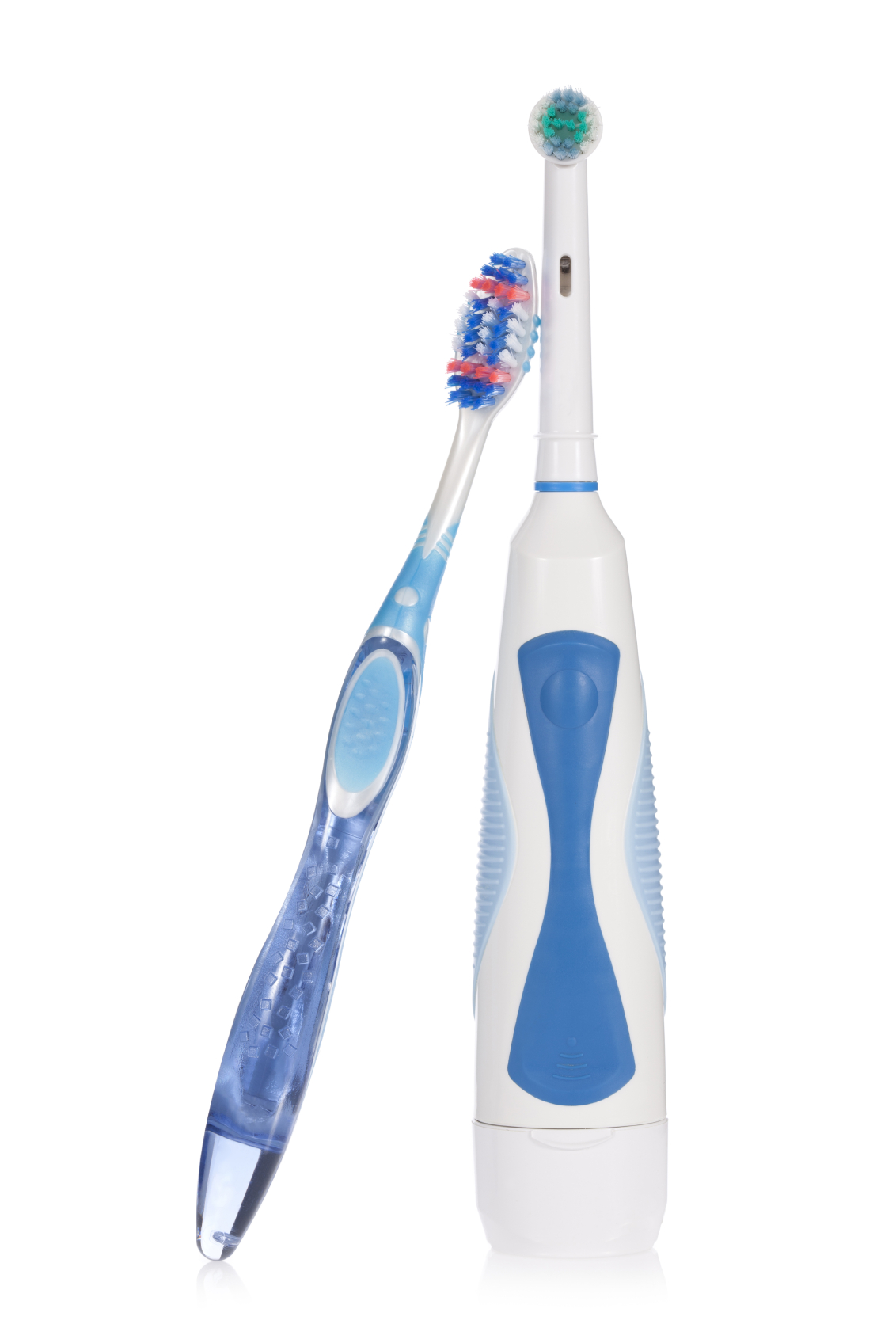
There are many choices for the type of toothbrush you choose to use. Will it be manual or powered? Some studies say that powered toothbrushes reduce the percentage of plaque vs. the manual toothbrushes. Although, both work great! The biggest factor is how the person is operating it. The person’s brushing habits and how well they do it is the main key to plaque removal. Age and dexterity are two reasons that powered toothbrushes can be better for some people. For example, people who have arthritis will find it easier to use a powered brush. Teenagers are usually not great when it comes to oral hygiene. Having a toothbrush that does all the work for them is a good idea. Someone who has Parkinson’s disease can have a hard time brushing. This would be another type of person to recommend a powered brush too.
It does not matter what time you brush, just so you do it two to three times daily. If you are not sure if you are removing all the plaque, try a disclosing solution. There are rinses and chewable tablets that have colored dye in them. Once the dye is released and mixed with saliva, the dye will show the areas where plaque is still present. Whether you buy a manual or powered brush, make sure it has the ADA seal of approval. Brush for a total of 2 minutes each time and you will be good to go!

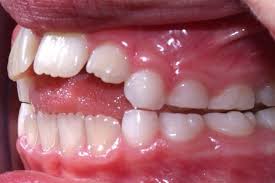 To help your children stop this habit, try to encourage them with rewards. Provide them with a toy after a certain amount of days they go without sucking their thumb. Mark progress on a calendar where the child can see the progress he/she is making. Most important, no nagging! Children get defensive if the parent is nagging to much about stopping the habit.
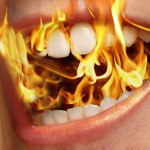 they are burning. Sometimes the burning sensation can affect the whole mouth, and not just a certain area. Although Burning Mouth Syndrome can affect anyone, it is most common in middle-aged or older women.
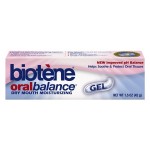 Depending on the cause of BMS, there are medications that can be prescribed to treat the oral candidacies, anxiety, and depression. There are also prescriptions and supplements to relieve dry mouth. Biotene mouth wash is commonly used to treat dry mouth. At home treatment can include sucking on ice chips, drinking plenty of water, avoiding hot and spicy foods, avoiding acidic foods and drinks, and avoiding alcohol and tobacco. If you have any questions about Burning Mouth Syndrome, call our office or physician for more information.
 The purpose of sealants is to prevent cavities. We recommend children as well as adults to have sealants. As soon as the 6 year molars have fully erupted on your children, you should consider having sealants placed. The 6 year molars (first molars) usually come in between ages 5-7, but that can vary. Later when the 12 year molars erupt, those can also be sealed. The 12 year molars (second molars) usually erupt between ages 8 ½ to 13 years old. Besides, children, anyone who is prone to get cavities should consider getting sealants. Also anyone with deep groves in the biting surfaces of their teeth should consider sealants, since they are hard to keep clean.
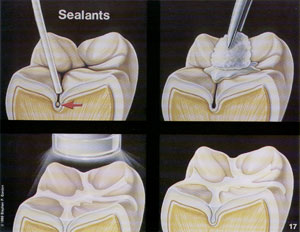 To place a sealant, the tooth must be very dry. Any kind of moisture could prevent the sealant from adhering to the tooth. To ensure dryness, cotton rolls may be placed around your tooth. Next a preparation gel called etch is placed on the tooth. Then that gel will be washed and suctioned (vacuumed) off and the tooth dried by blowing air. Next a bonding agent will be “painted” on the tooth. Then a blue colored ultraviolet (u.v.) light is used to activate the bonding agent. Then the sealant is placed in the groves of the biting surfaces of the tooth. Finally the blue u.v. light is used to make the sealant harden. You may be asked to close your eyes or wear orange colored glasses because it is not good for your eyes to stare at the blue u.v. light.